The kitchen
More than catering: a shared learning space.
The kitchen as a learning space
In our encounters, food is part of the learning experience. Carefully prepared meals help people feel well, learn with attention and find calm.
Especially in intensive trainings over several days, people often underestimate how much food affects mood, openness and concentration. After a day of walking and writing, a warm shared meal is also a moment for the group.
A kitchen with care
Our kitchen draws on traditional food principles known in many cultures and on balance according to the Yin-Yang principle. We pay particular attention to
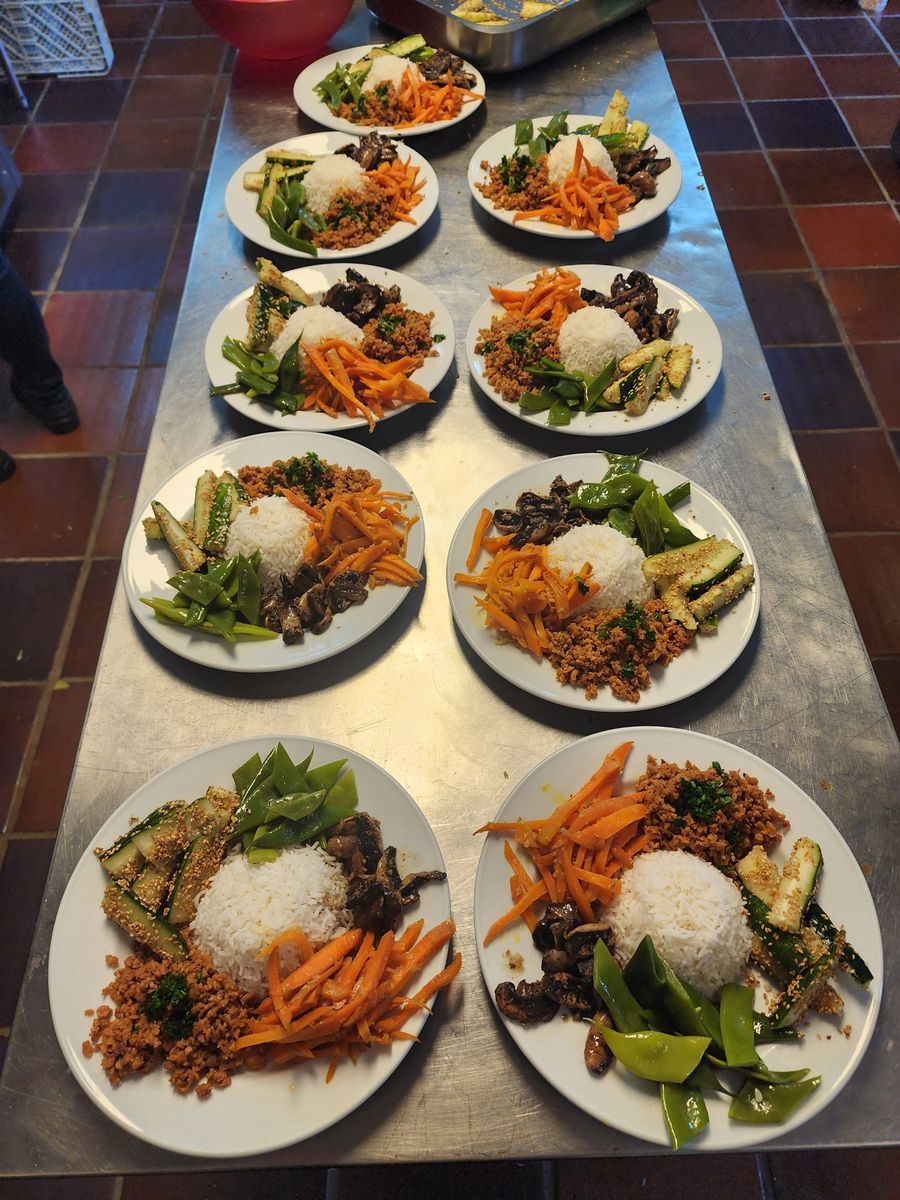
- balanced, mainly plant-based whole-food cooking,
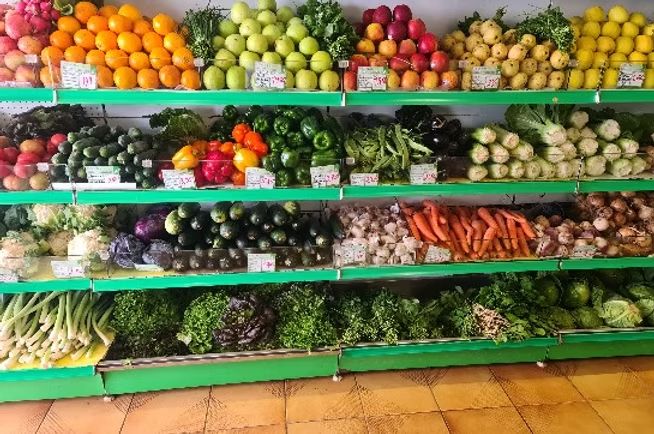
- quality ingredients that are fresh, seasonal and local where possible,
- preparation that makes food easy to digest,
- variety and taste,
- climate, weather and the needs of the group,
- allergies, intolerances, and cultural and personal ways of eating.
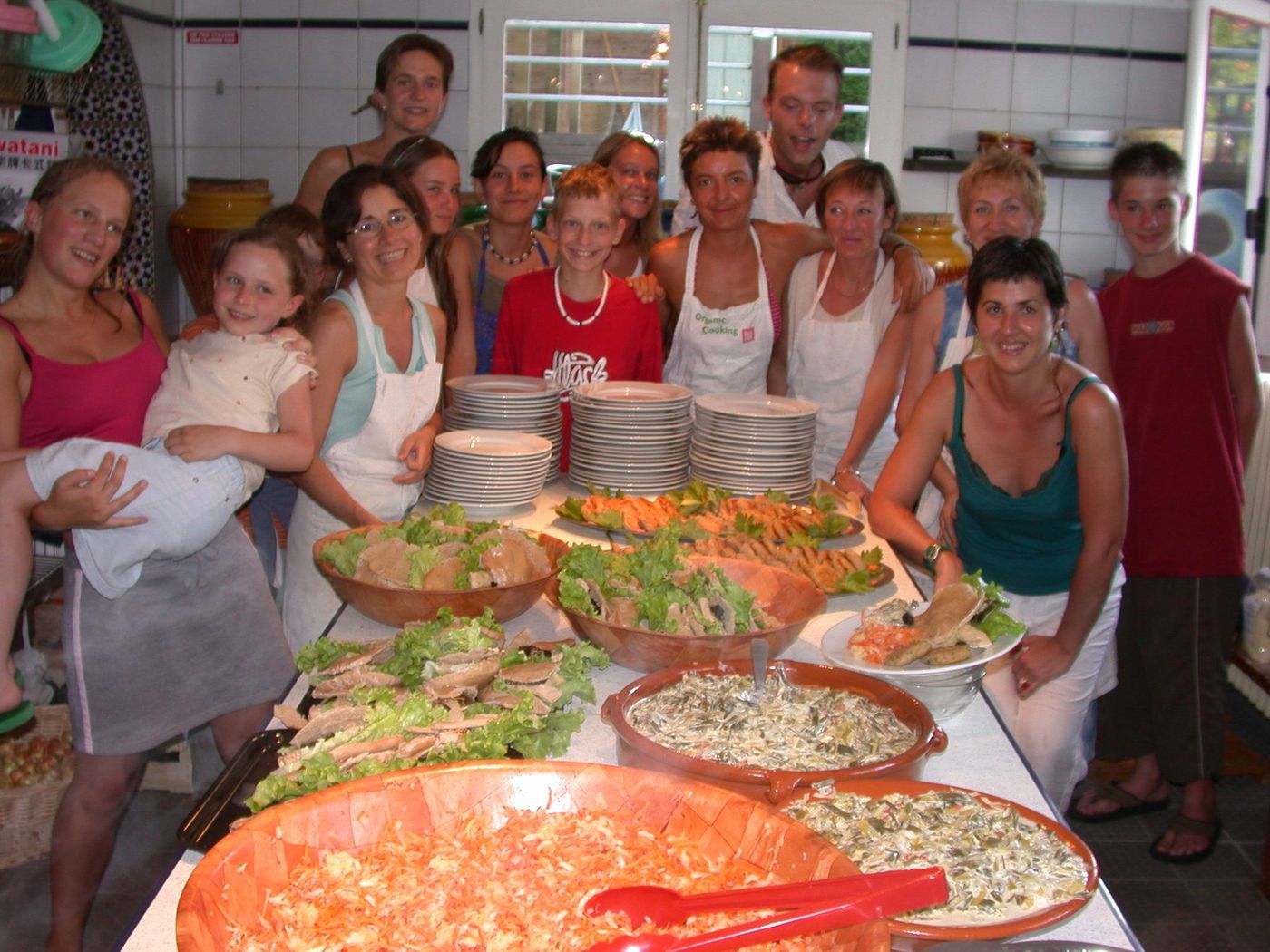
We do not prescribe any diet to anyone. The kitchen is open: anyone who wants to can watch, ask and cook with us.
That is how it worked for many years in Axel Bergdolt's open kitchen in Portugal: two to three days a week, young people cooked along and learned to tell foods apart by origin, season and way of preparation.
Care and hospitality
For us, cooking is a form of attention and respect for everyone who takes part. Every meal should nourish, and also bring joy and connection to the group.
Our activities around food are learning activities. They do not replace medical, dietetic or psychological advice.